
The Importance of Multi-layered Insulation
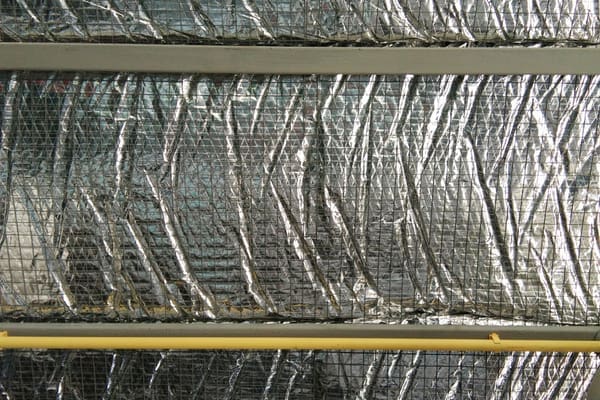
Multi-layered insulation (MLI) provides thermal control to a variety of spacecraft, instruments and launch vehicles. Mainly used for limiting the amount of radiative heat transfer, multi-layered insulation has become a mainstay in aviation and aerospace. Although metals like titanium can be heat resistant, other metals might not be able to handle such drastic temperature changes. MLI can be utilized to counter extreme heat transfer from conduction and radiation. MLI can only control heat in a vacuum making it ineffective for countering convection (the transfer of heat through physical movement of molecules).
Countering Conduction
Conduction is a method of heat transfer that goes directly through a substance or a physical object. In harsh environments such as space or a very hot climate, the materials of an aircraft or satellite can conduct a large amount of heat. To counter conduction, MLI uses multiple layers of thin sheets. To ensure these layers do not touch, engineers keep a certain amount of space of space in between each sheet during installation. The lack of contact counters conduction by not allowing the heat to directly interact with a satellite’s internal material.
Countering Radiation
Radiation is the natural transfer of heat through electromagnetic waves. Heat waves from the sun are transferred by radiation. Unlike conduction which requires physical contact through objects, radiation doesn’t need any objects to transfer heat. Multi-layered insulation uses the space in between each layer to minimize radiation. The layers reflect back 95 to 98 percent of infrared radiation. They combine to create an excellent insulator. Layers can be spaced according to an engineer’s needs to adapt to multiple environments.
Why Multi-layered insulation is important
The electrical components of a satellite can be very susceptible to heat. Sudden changes in the environment of an aircraft can also negatively affect materials that aren’t suited for those conditions. Most of the components in a satellite have to be maintained within a certain temperature range to ensure that the equipment doesn’t fail. MLI allows for thermal control to ease the effect of extreme temperature changes.
A NASA space suit has 12 alternating layers of heat-reflective film and insulating air space in between them. Astronauts are able to comfortably withstand temperatures as cold as -250F or as hot as +450F. The places they can explore and tasks they can perform is increased exponentially thanks to multi-layered insulation.
Thermal control is essential to the aviation and aerospace industries. MLI allows for the most control when it comes to conduction and radiation. At Avion Alloys, we understand the importance that thermal control and insulation can have on your materials. When buying materials from us, you’ll know that they are being handled and maintained properly. For more information about our products or to receive a quote be sure to contact us.